


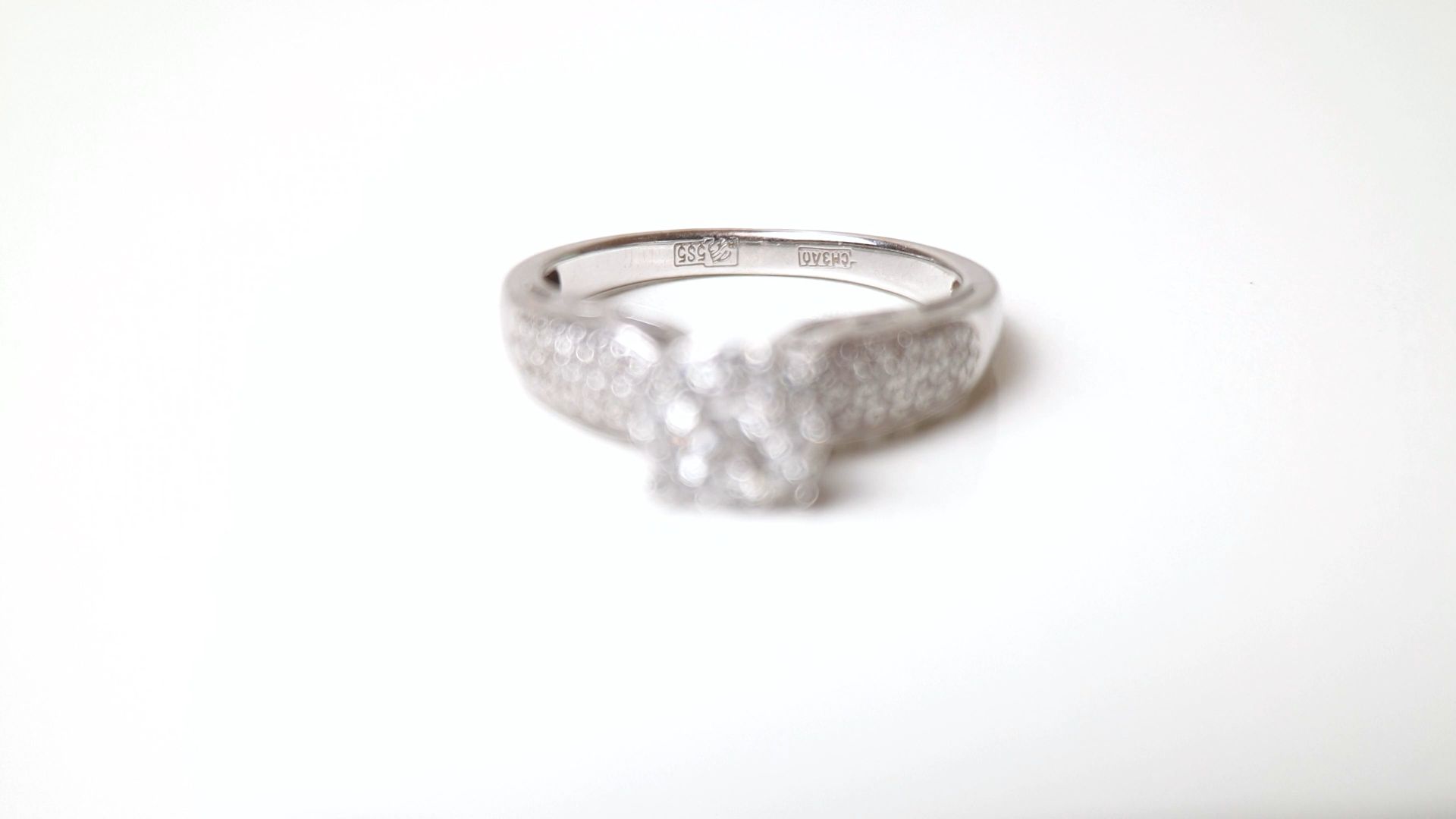
Sterling silver is an alloy of 92.5% silver and 7.5% other metals, usually copper. The small addition makes it strong enough for jewelry while keeping silver's bright, cool lustre. It is marked 925.
Kinds of silver
| Name | Silver content | Mark | Notes |
|---|---|---|---|
| Fine silver | 99.9% | 999 | Very soft; used for some delicate pieces |
| Britannia silver | 95.8% | 958 | Softer than sterling; a British standard |
| Sterling silver | 92.5% | 925 | The standard for silver jewelry |
| Silver-plated | A thin surface layer | None for solid silver | Not solid silver |
Why silver tarnishes
Silver reacts with sulphur compounds in the air, forming a thin dark layer of silver sulphide. Humidity, some cosmetics and certain materials speed it up. Tarnish is on the surface and can be removed.
Rhodium-plated silver
Some sterling silver is plated with rhodium for a whiter finish that resists tarnish. The plating can wear with time, especially on rings, and can be renewed.
Durability
Sterling silver is softer than the gold alloys commonly used in rings, so it scratches and wears more readily. It suits earrings, pendants and many rings, with a little care.
Care
- Polish with a silver cloth; wash with mild soapy water if needed and dry thoroughly.
- Avoid silver dips on pieces with deliberately darkened (oxidised) details, and on pieces set with pearls or porous stones.
- Store each piece in a closed pouch, away from humidity.
Why 92.5%?
Pure silver is too soft for most jewelry. Adding a small proportion of copper, or other metals, makes it strong enough for clasps, settings and rings while keeping its colour. The 925 standard has been used for centuries and is recognised in many countries.
Marks on silver
Silver jewelry is usually marked 925 to show its fineness. Depending on the country, it may also carry a maker's or importer's mark and an official mark. Very small or light pieces may be treated differently under national rules.
Silver and skin
Most people wear sterling silver without problems. Occasionally, a piece can leave a faint dark or greenish mark on the skin, usually because of the copper in the alloy reacting with sweat, lotions or cosmetics. Cleaning the piece and the skin, and letting lotions dry before wearing jewelry, usually solves it.
Silver, vermeil and plated metals
| Material | What it is | With time |
|---|---|---|
| Sterling silver | Solid 92.5% silver | Tarnishes; polishes back |
| Gold vermeil | Sterling silver with a gold layer | The gold layer can wear with use |
| Silver-plated | Another metal with a silver surface | The plating can wear through |
How long silver lasts
A well-made sterling silver piece can last for generations. Tarnish is reversible; scratches can be polished. What wears out is usually a thin part such as a fine chain or a clasp, which a jeweller can often repair.
Sources: Gemological Institute of America (gia.edu), gem and jewelry care guidance.
Frequently asked questions
Is sterling silver real silver?
Yes. It is 92.5% silver, alloyed with other metals, usually copper, for strength.
Can I wear sterling silver every day?
Yes. Wearing it often actually slows tarnish; clean and store it well and it will last.
Why does silver leave a mark on my skin?
Usually because the copper in the alloy reacts with sweat, lotions or cosmetics. Clean the piece and let creams dry before wearing it.
Is sterling silver good for engagement rings?
It can be, but it is softer than gold and platinum and will show wear sooner on a ring worn every day.


