


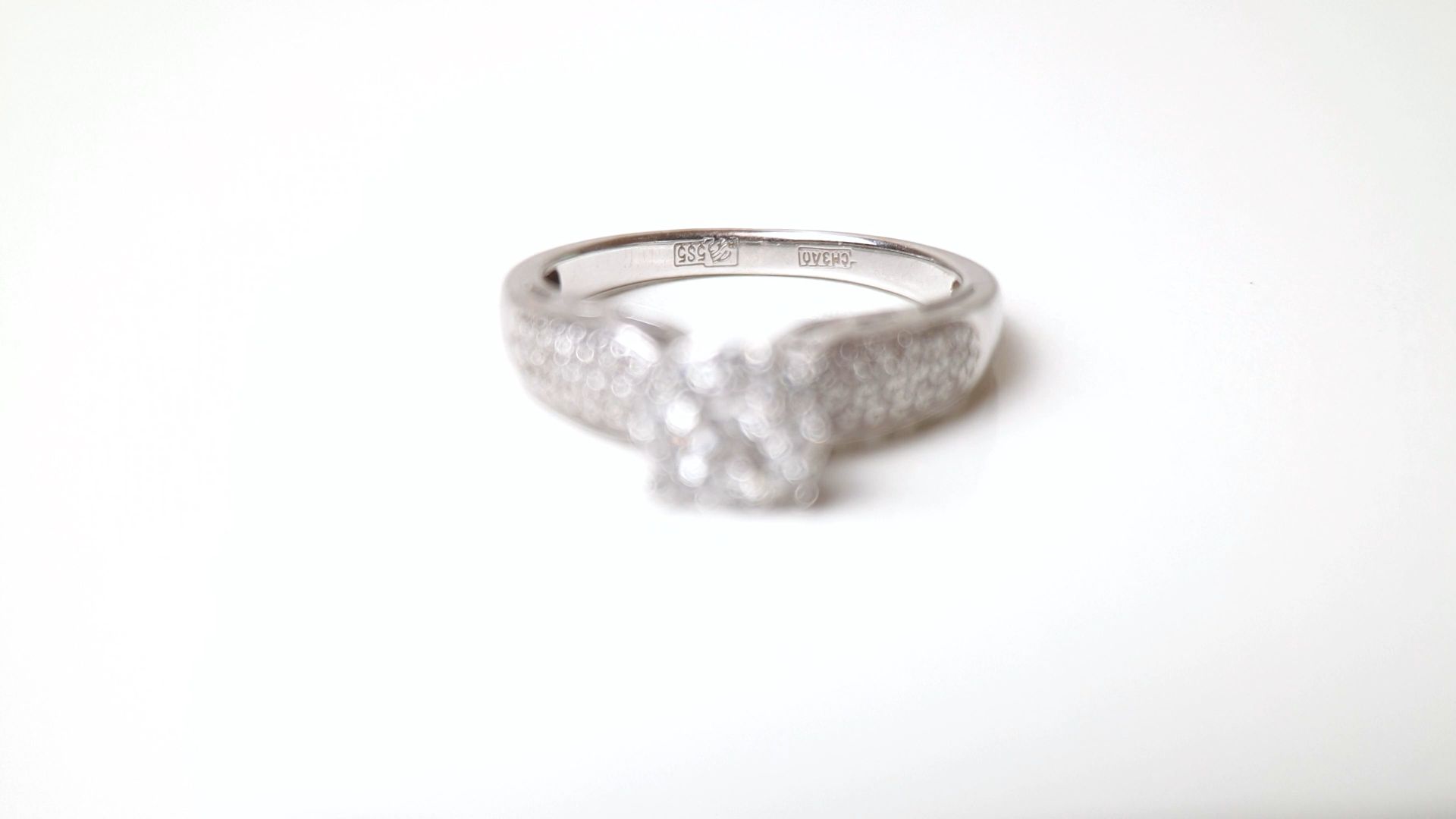
Most damage to jewelry does not happen while it is worn but while it is stored: pieces scratching one another, chains knotting, silver tarnishing in humid air. A few habits prevent all three.
General principles
- Keep pieces apart. Diamonds and other hard stones scratch softer gems and metals. Use separate compartments or pouches.
- Choose soft linings. Fabric-lined trays and pouches protect surfaces.
- Keep it dry and dark. Avoid bathrooms, windowsills and heat sources.
By type of piece
| Piece | How to store |
|---|---|
| Chains and necklaces | Fastened, and hung or laid flat, one per compartment, to avoid tangles |
| Sterling silver | Closed anti-tarnish pouches or boxes, away from humidity |
| Pearls | Flat, in a soft fabric pouch; not in airtight plastic |
| Opals | Away from heat and very dry places |
| Some coloured gems, such as amethyst | Away from prolonged strong sunlight, which can fade their colour |
| Rings and earrings | Individual slots; earrings with their backs attached |
When travelling
- Use a jewelry roll or case with separate compartments.
- Carry valuable pieces in hand luggage.
- Keep photographs and documentation of important pieces separately.
What to look for in a jewelry box
- Separate compartments of different sizes, lined with soft fabric.
- Ring rolls or slots that hold rings upright.
- Hooks or long compartments for necklaces.
- A lid that closes well, to keep out dust and light.
- For silver, an anti-tarnish lining or space for anti-tarnish strips.
Anti-tarnish strips and pouches
Anti-tarnish strips absorb the sulphur compounds that cause silver to darken. Placed in a closed box or pouch, they slow tarnish considerably. Replace them as their instructions indicate.
Pearls need air
Pearls are organic and contain a little water. Very dry places, airtight plastic and direct heat can dry them out and dull their lustre. Store them flat in a soft pouch, away from other jewelry, and wear them often: skin contact is good for them.
An inventory of your jewelry
Keep photographs, invoices, reports and descriptions of your important pieces in one place, with a copy elsewhere. It helps with insurance, repairs and, if needed, recovery.
Security
For valuable pieces not worn often, a safe or a secure storage service may be appropriate. Check with your insurer what they require.
Sources: Gemological Institute of America (gia.edu), gem and jewelry care guidance.
Frequently asked questions
Should jewelry be kept in the bathroom?
It is better not to. Humidity speeds up tarnish on silver and is not good for pearls or some settings.
Can I store pearls in a plastic bag?
No. Pearls need a little air; a soft fabric pouch is better than an airtight bag.
Should necklaces be hung or laid flat?
Chains can be hung to avoid tangles. Pearl strands and heavy necklaces are better laid flat to avoid stretching.
How do I stop silver tarnishing in storage?
Keep it in closed anti-tarnish pouches or boxes, away from humidity, with anti-tarnish strips if possible.


