


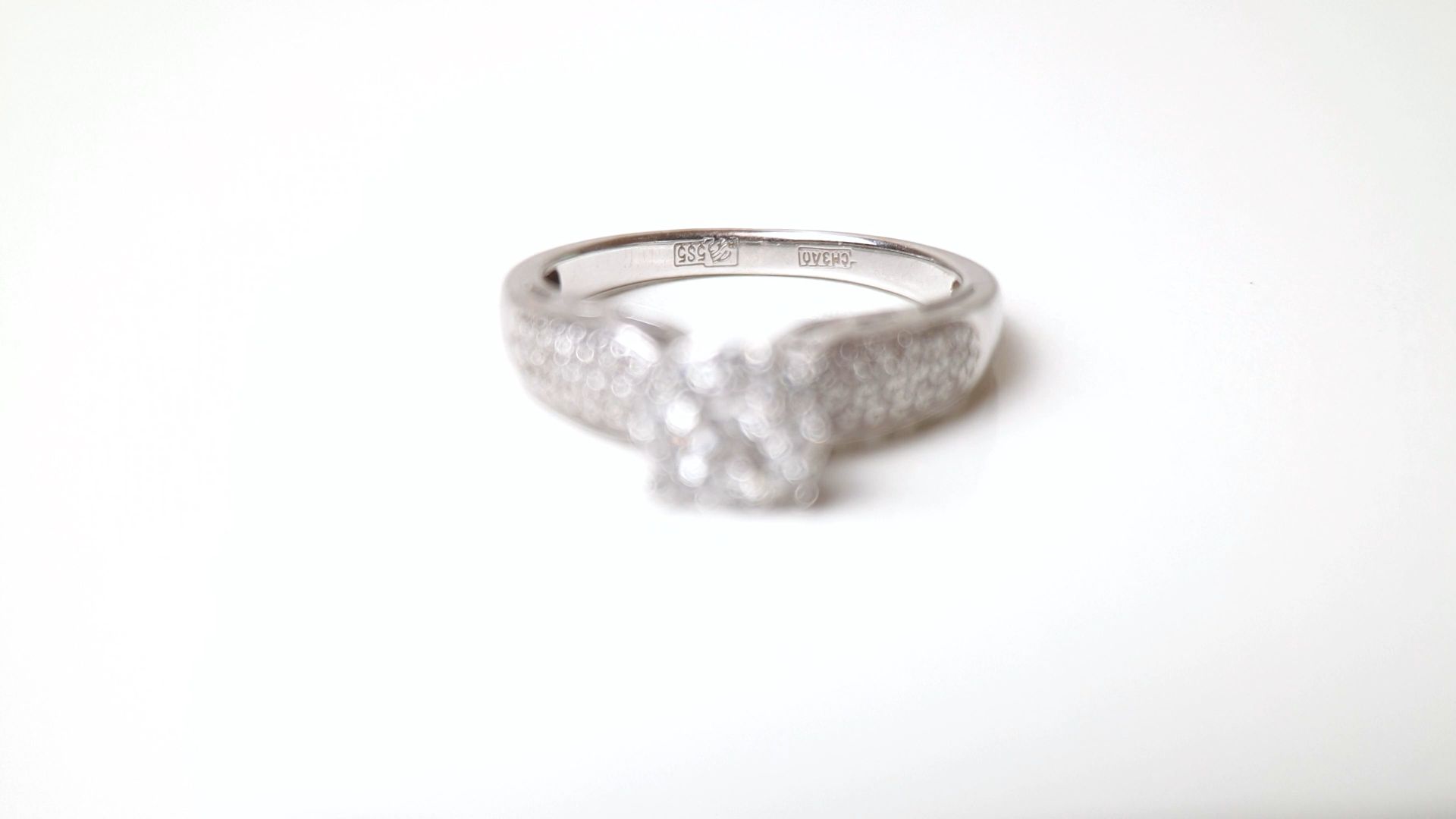
Most fine jewelry needs nothing more than warm water, a mild soap and a soft brush. The exceptions are organic and porous gems, and stones that have been treated, which need gentler care.
The general method
- Fill a bowl with warm (not hot) water and a few drops of mild washing-up liquid.
- Soak the piece for a few minutes.
- Brush gently with a very soft toothbrush, including behind the stones.
- Rinse in a bowl of clean water, not over an open drain.
- Dry with a soft, lint-free cloth.
Care by material
| Material | Method | Avoid |
|---|---|---|
| Gold, platinum | General method | Chlorine; abrasive powders |
| Sterling silver | Silver cloth; general method if needed | Dips on oxidised details |
| Diamond, sapphire, ruby, moissanite | General method | Ultrasonic cleaning if the stone is treated or the setting is loose |
| Emerald | Lukewarm soapy water, briefly | Ultrasonic, steam, hot water |
| Pearls | Wipe with a soft, damp cloth after wearing | Soaking, chemicals, ultrasonic, steam |
| Opal, turquoise | Soft, damp cloth | Soaking, heat, chemicals |
| Plated metals | Gentle wipe with a soft cloth | Abrasives, polishing cloths for solid metal |
What to avoid
- Chlorine bleach, which can damage gold alloys.
- Toothpaste and baking soda, which are abrasive.
- Boiling water and sudden temperature changes, which can crack some stones.
Professional care
A jeweller can clean more deeply and, just as importantly, check prongs and settings. An inspection once or twice a year is a good habit for pieces worn every day.
How often
Pieces worn every day, especially rings, benefit from a gentle clean every week or two. Pieces worn occasionally need cleaning after wear and before storage. A professional clean and check once or twice a year is a good habit for your most-worn jewelry.
Commercial jewelry cleaners
Many commercial cleaners are safe for gold, platinum and hard stones, but some contain ammonia or other agents unsuitable for pearls, porous stones, plated metals or oxidised silver. Read the label and, when in doubt, use warm soapy water.
Ultrasonic and steam cleaning
Ultrasonic cleaners use vibrations in liquid to loosen dirt; steam cleaners blast it away with heat. Both are effective for durable, untreated stones in secure settings. Both can harm pearls, emeralds, opals, turquoise, fracture-filled or treated stones, and loose settings. If a piece contains several materials, clean it according to the most delicate one.
Pieces with mixed materials
A gold ring set with pearls, or a silver pendant with an opal, should be cleaned gently: a soft damp cloth on the delicate stone, and careful attention to the metal around it. Avoid soaking.
When to see a jeweller
- A stone is loose or missing.
- A clasp no longer closes firmly.
- A chain is kinked or a link is stretched.
- A pearl strand has become loose or the silk looks discoloured.
Sources: Gemological Institute of America (gia.edu), gem and jewelry care guidance.
Frequently asked questions
Can I use toothpaste to clean jewelry?
It is better not to. Toothpaste is abrasive and can scratch metal and softer stones.
Are ultrasonic cleaners safe?
For many diamonds and hard stones in secure settings, yes. They are not safe for pearls, emeralds, opals, treated stones or fragile settings.
Can I use vinegar or baking soda?
It is better not to. Acids can damage some metals and stones, and baking soda is abrasive.
How do I clean pearls?
Wipe them with a soft, slightly damp cloth after wearing and let them dry flat. Never soak them or use chemicals.


