


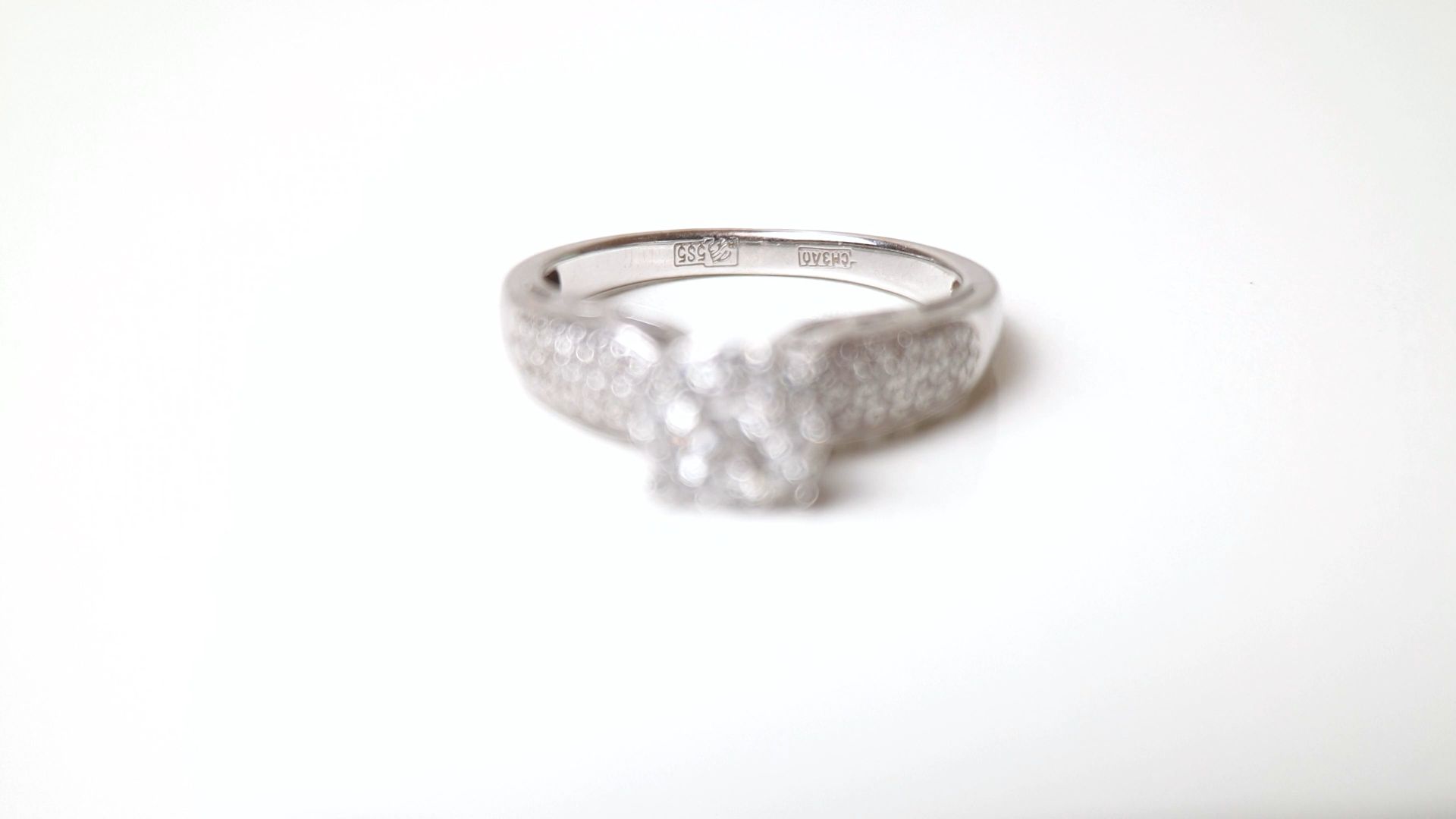
14K and 18K are the two most popular karats for fine jewelry in Europe. Neither is better in every way: each balances purity, colour and durability differently.
Side by side
| 14K | 18K | |
|---|---|---|
| Gold content | 58.5% (585) | 75% (750) |
| Yellow gold colour | Softer, paler yellow | Richer, warmer yellow |
| Hardness | Harder; resists scratches and dents a little better | Softer; shows wear slightly sooner |
| Skin sensitivity | More alloy metals | Fewer alloy metals |
| Price for the same weight | Lower | Higher |
| Recognised in Spain | Yes | Yes |
How to choose
- For colour, especially yellow gold, 18K has the depth many people associate with fine jewelry.
- For hands that work hard, 14K's extra hardness is a practical advantage.
- For sensitive skin, 18K contains less alloy metal; ask about nickel content in white gold.
- For matching pieces, keep rings worn together in the same karat so they wear evenly.
White and rose gold
In white gold, the difference in colour is hidden by rhodium plating. In rose gold, 14K often shows a slightly pinker tone than 18K because it contains proportionally more copper.
Rings, earrings and chains
- Rings meet the most wear. Both karats are suitable; 14K resists everyday knocks a little better, while 18K offers deeper colour and a more substantial feel.
- Earrings and pendants meet less wear, so 18K's colour can be enjoyed with little downside.
- Chains, especially fine ones, benefit from strength; both karats are used and the design of the link matters as much as the karat.
Scratches and wear, explained
All gold scratches. Over time, a ring develops a soft patina of fine marks, and edges round slightly. Harder alloys resist this a little longer, which is why 14K is often chosen for bands worn every day. A jeweller can polish either karat back to a bright finish.
Allergies
Reactions to gold jewelry are usually caused by other metals in the alloy, most often nickel in some white gold. Yellow and rose gold alloys typically do not contain nickel, and 18K contains less alloy metal overall. In the EU, nickel release from jewelry in prolonged contact with the skin is limited by law.
A simple decision rule
If colour and the richness of the metal come first, choose 18K. If the ring will face hard daily use and you want the most resistance, choose 14K. If you are pairing it with other rings, choose the karat they are made in.
Sources: Spain, Law 17/1985 on objects made of precious metals (BOE-A-1985-12768).
Frequently asked questions
Which is better for an engagement ring?
Both are excellent. 18K offers richer colour and more gold; 14K resists scratches a little better. Choose by colour, lifestyle and budget.
Does 14K gold fade?
No. Solid 14K gold keeps its colour. White gold's rhodium plating can wear and be renewed.
Is 14K gold good quality?
Yes. It is a recognised fineness in Spain and across Europe and is widely used for fine jewelry.
Can I pair a 14K band with an 18K engagement ring?
You can, but rings of different hardness wear against each other unevenly. Matching karats is better when rings are worn together.


