


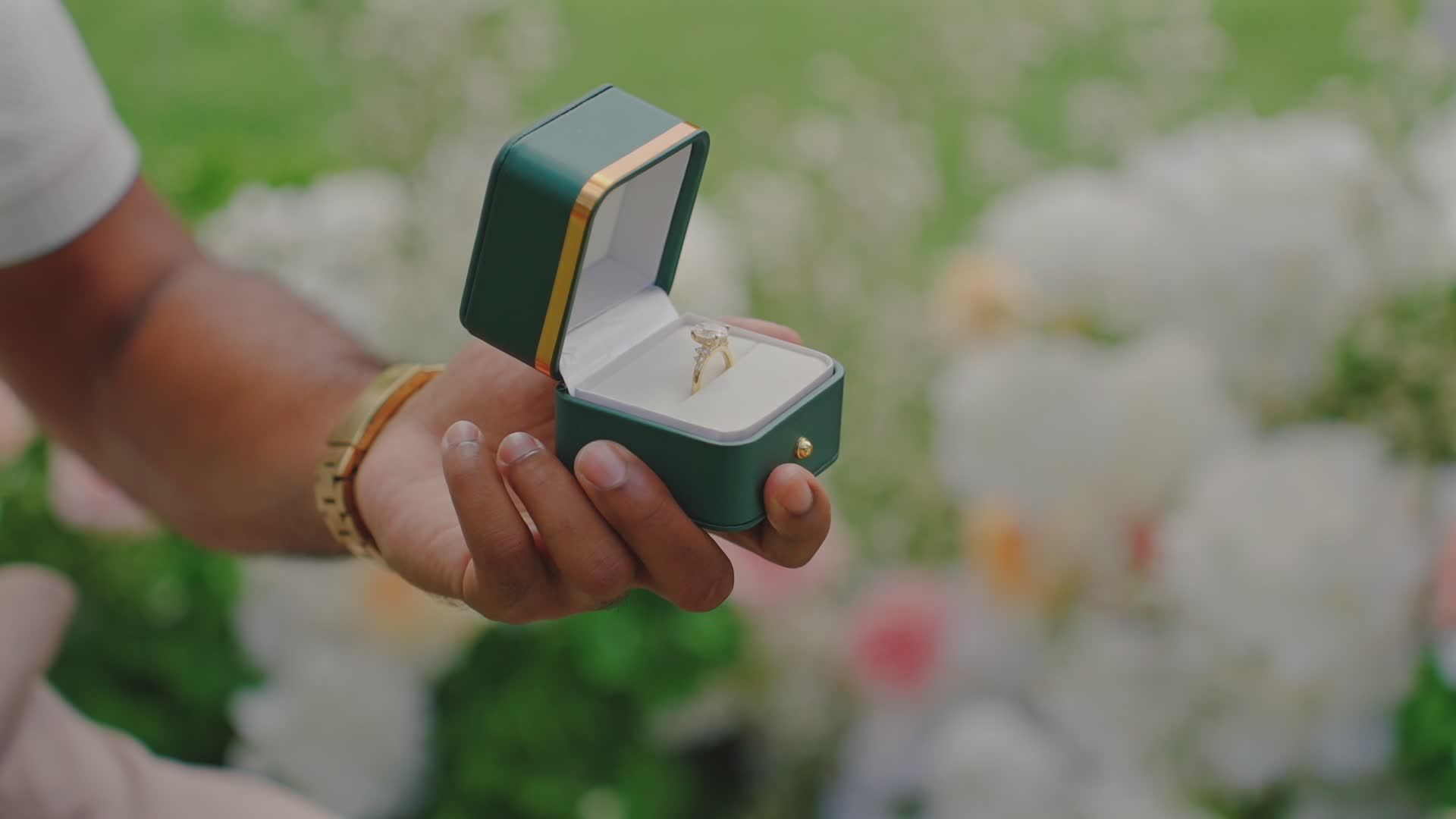
Most engagement rings are designed to be worn every day, and they can be for many years. The key is choosing materials and a setting suited to daily life, and taking the ring off at the right moments.
Materials that suit daily wear
| Stone | Hardness (Mohs) | Daily wear |
|---|---|---|
| Diamond (natural or laboratory-grown) | 10 | Excellent; can still chip if struck hard |
| Moissanite | About 9.25 | Excellent |
| Sapphire and ruby | 9 | Excellent |
| Emerald | 7.5–8 | Needs more care; often contains fractures |
| Opal, pearl | Much lower | Better for occasional wear |
Platinum and 18K or 14K gold are durable choices for the band. Read 14K vs 18K gold.
Settings that suit daily wear
Bezel settings and low profiles protect the stone best. Six prongs hold a stone more securely than four. High settings are beautiful but more exposed.
When to take it off
- At the gym and during sport, especially with weights.
- When gardening, cleaning or cooking with dough and oils.
- In swimming pools, hot tubs and the sea: chlorine can harm gold alloys, and cold water shrinks fingers.
- When applying creams, lotions and hairspray.
- At night.
Keeping it secure
Check that the stone does not move and that no prong catches on fabric. Have the setting inspected by a jeweller regularly. Clean the ring gently at home; read How to clean a diamond ring.
Hardness is not the whole story
Hardness measures resistance to scratching. Toughness measures resistance to chipping and breaking, and it is a separate property. Diamond is the hardest gem, but it can still chip if struck hard along certain directions. Emerald is fairly hard but often fractured, which lowers its toughness. For daily wear, both properties matter, and so does the way the stone is set.
Signs a ring needs attention
- The stone moves or makes a faint sound when tapped gently.
- A prong catches on fabric or looks thinner than the others.
- A small stone is missing from a halo or pavé band.
- The band has become thin at the base or out of round.
If you notice any of these, stop wearing the ring until a jeweller has checked it.
Documentation and insurance
Keep the invoice, any grading report and clear photographs of the ring. They are useful for insurance, for repairs and, if the worst happens, for recovery. Many people insure an engagement ring from the day they receive it.
Travelling with your ring
Wear it or carry it in hand luggage, never in checked baggage. Take it off before swimming, sun cream and sport, and keep it in a small case rather than loose in a bag or pocket.
Sources: Gemological Institute of America (gia.edu), gem durability and care guidance.
Frequently asked questions
Should I sleep with my engagement ring on?
It is better not to. Prongs can catch on fabric and pressure during sleep can bend them over time.
How often should the setting be checked?
A professional check every six to twelve months is a sensible habit, and sooner if a stone moves or a prong catches.
Can I wear my ring at the gym?
It is better not to. Weights can damage the setting and your finger, and rings can catch on equipment.
Will a daily-wear ring lose its shine?
Metals develop fine scratches with wear. A professional polish restores the finish when you wish.


