


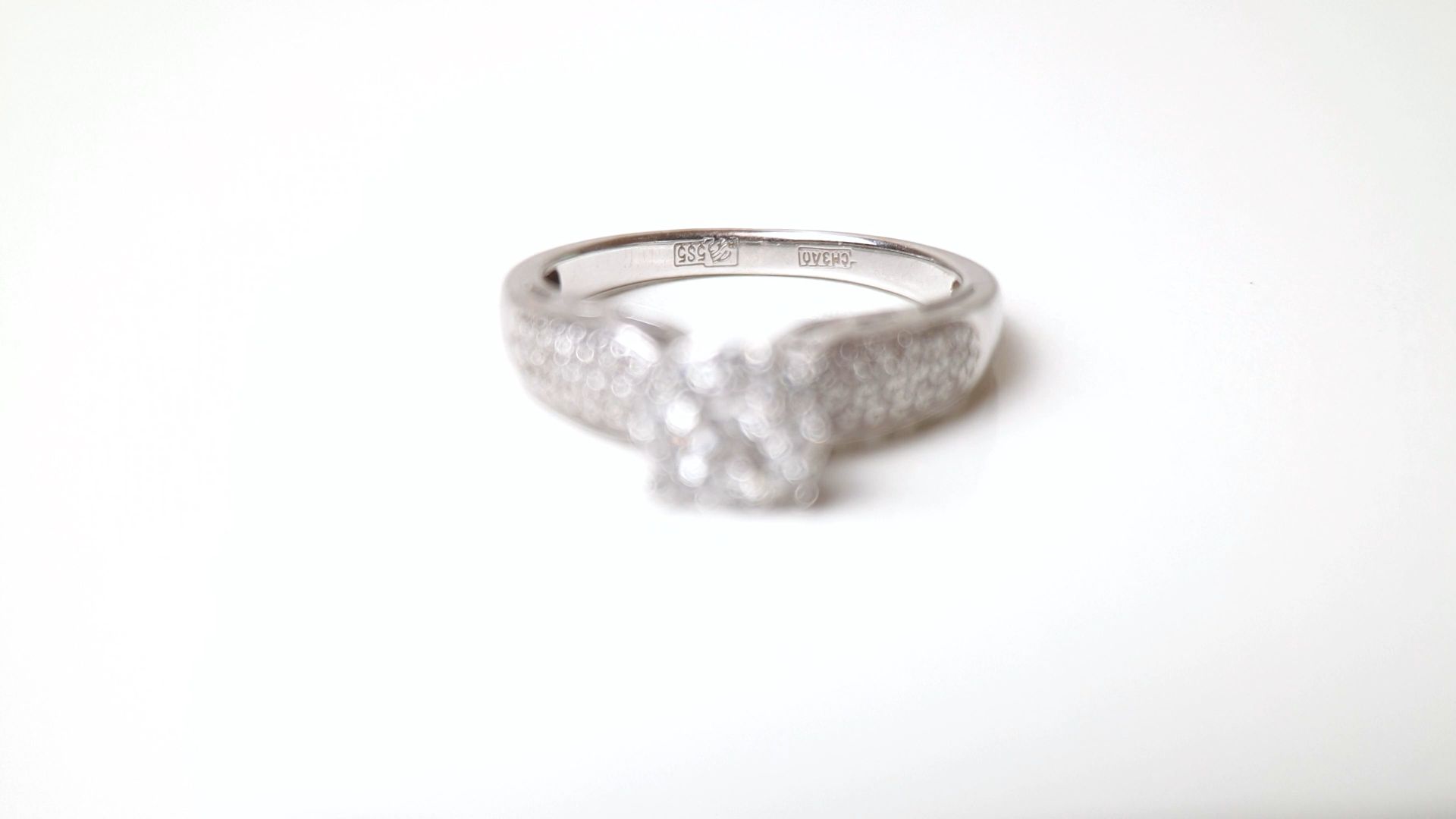
The karat (K) tells you how much pure gold an alloy contains, measured in parts of 24. Pure gold is 24 karat. Everything else is gold mixed with other metals, which make it harder and change its colour.
How much gold in each karat
| Karat | Parts of gold | Gold content | Fineness mark |
|---|---|---|---|
| 24K | 24/24 | about 99.9% | 999 |
| 22K | 22/24 | 91.6% | 916 |
| 18K | 18/24 | 75% | 750 |
| 14K | 14/24 | 58.5% | 585 |
| 10K | 10/24 | 41.7% | 417 |
| 9K | 9/24 | 37.5% | 375 |
What karat changes
- Colour: higher karats are a deeper, warmer yellow.
- Hardness: lower karats contain more alloy metals and resist scratches and dents better.
- Tarnish: gold itself does not tarnish; very low karats can darken slightly over time because of their alloy metals.
- Price: more gold means a higher price for the same weight.
Which karats are recognised where
Rules differ by country. In Spain, Law 17/1985 recognises gold finenesses of 999, 916, 750, 585 and 375, so 18K, 14K and 9K are legal, but 10K is not. In the United States, 10K is the minimum for an item to be described as gold. The United Kingdom recognises 375 and above. DORVETTI follows the rules of each market it sells in.
Not solid gold
- Gold-plated: a thin layer of gold over another metal. In Spain it must be described as plated, for example "chapado".
- Vermeil: in the United States, sterling silver coated with gold of at least 10K and at least 2.5 microns thick.
- Gold-filled: in the United States, a layer of gold mechanically bonded to a base metal, making up at least one twentieth of the item's weight.
None of these is solid gold, and none should be sold as such.
Nickel and sensitive skin
Some white gold alloys contain nickel, a common cause of skin reactions. In the European Union, the release of nickel from jewelry in contact with the skin is limited by law. If you have a nickel sensitivity, ask about the alloy.
Why gold is alloyed
Pure gold is beautiful but very soft: it scratches, bends and wears quickly. Mixing it with other metals, such as silver, copper, zinc or palladium, makes it harder and more durable, and allows its colour to be adjusted. The karat tells you how much gold remains in the mixture.
Choosing a karat by piece
| Piece | Often chosen | Why |
|---|---|---|
| Rings worn every day | 14K or 18K | A balance of colour and resistance to wear |
| Earrings and pendants | 18K | Less wear, so richer colour can be enjoyed |
| Fine chains | 14K or 18K | Strength matters in thin links |
| Sensitive skin | 18K or higher | Less alloy metal in contact with the skin |
Reading the marks
A fineness mark such as 750 or 585 states the gold content in parts per thousand. Depending on the country, pieces may also carry a maker's or importer's mark and an official assay or guarantee mark. The marks together tell you who is responsible for the piece and that its fineness has been checked.
Karat and value
The metal value of a piece depends on its weight and on the proportion of gold it contains. Design, craftsmanship and stones account for the rest of the price, often the larger part.
Sources: Spain, Law 17/1985 on objects made of precious metals (BOE-A-1985-12768); US Federal Trade Commission, Guides for the Jewelry, Precious Metals, and Pewter Industries, 16 CFR Part 23.
Frequently asked questions
Is 24K gold used for jewelry?
Rarely for pieces worn every day, because pure gold is very soft and scratches and bends easily.
Why is 14K marked 585?
14 parts in 24 is about 58.3%; the standard fineness mark is 585, meaning 58.5% gold.
Is 10K gold sold in Spain?
No. Spanish law recognises 999, 916, 750, 585 and 375 as gold finenesses; 10K (417) is not among them.
Which karat is best for an engagement ring?
14K and 18K are both excellent. 18K has more gold and a richer colour; 14K is harder. Platinum is another durable option.
Does higher karat mean better quality?
It means more gold. Quality also depends on the design, the craftsmanship and the stones.


