


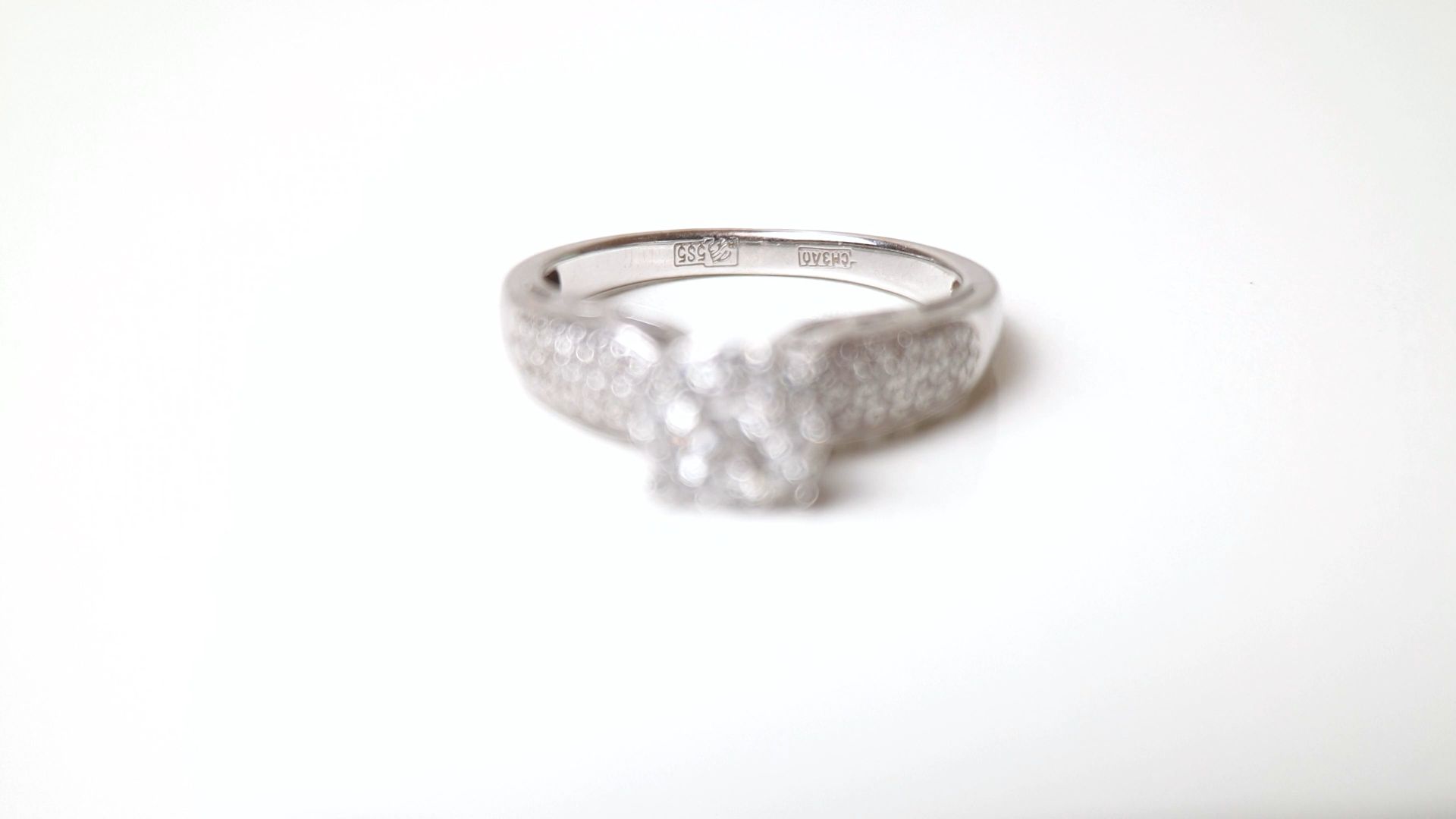
Water alone rarely harms fine jewelry. What causes problems is everything that comes with it: soap and shampoo residue, chlorine, salt, heat and the risk of a ring slipping off a wet finger. The honest answer depends on the material.
Material by material
| Material | Shower | Pool, hot tub, sea |
|---|---|---|
| Solid gold, platinum | Not harmed by water, but soap dulls stones; better removed | Remove: chlorine can damage gold alloys over time |
| Sterling silver | Better removed; dry well if it gets wet | Remove: chlorine and salt accelerate tarnish |
| Gold-plated or vermeil | Remove: water and products wear the plating | Remove |
| Diamonds, sapphires, moissanite | Not harmed, but residue dulls their sparkle | Remove, for the sake of the metal and the setting |
| Pearls, opals, turquoise, emeralds | Always remove | Always remove |
Other good reasons to take jewelry off
- Wet, soapy fingers make rings easier to lose, and cold water shrinks fingers.
- Hot water and steam are not good for some gems and for glued elements.
- Rinsing and drying a piece properly after contact with the sea or a pool matters as much as taking it off.
The simplest habit: jewelry is the last thing you put on and the first thing you take off.
Saunas, steam rooms and hot baths
Heat and steam can harm pearls, opals and some treated stones, and metal becomes hot against the skin. Remove jewelry before saunas and steam rooms.
Sunscreen, lotions and perfume
These leave films that dull stones and can react with some metals and pearls. Apply them first, let them dry, and put your jewelry on last.
Sleeping with jewelry
Rings can catch on sheets and bend their prongs, chains can tangle or break, and earrings can bend or press uncomfortably. Small studs are the usual exception, but taking jewelry off at night is the safer habit.
If a piece gets wet
- Rinse it in fresh water, especially after contact with chlorine or seawater.
- Dry it with a soft, lint-free cloth.
- Let it air-dry fully before storing it, particularly silver and pieces with closed settings.
Waterproof claims
Be careful with descriptions such as "waterproof jewelry". Solid precious metals are not harmed by water, but plating, glued elements and delicate stones can be. Ask what the piece is made of rather than relying on a general claim.
Sources: Gemological Institute of America (gia.edu), gem and jewelry care guidance.
Frequently asked questions
Will showering ruin solid gold?
No, water does not harm solid gold. Soap and shampoo can leave a film that dulls stones, so it is still better to remove rings.
Can I swim with my jewelry?
It is better not to. Chlorine can damage gold alloys and some stones, and cold water makes rings easier to lose.
Can I sleep with my earrings in?
Small, secure studs are usually fine, but removing jewelry at night is the safer habit.
Is saltwater bad for jewelry?
Salt can accelerate tarnish and harm some stones and plating. Rinse and dry any piece that has been in the sea.


