


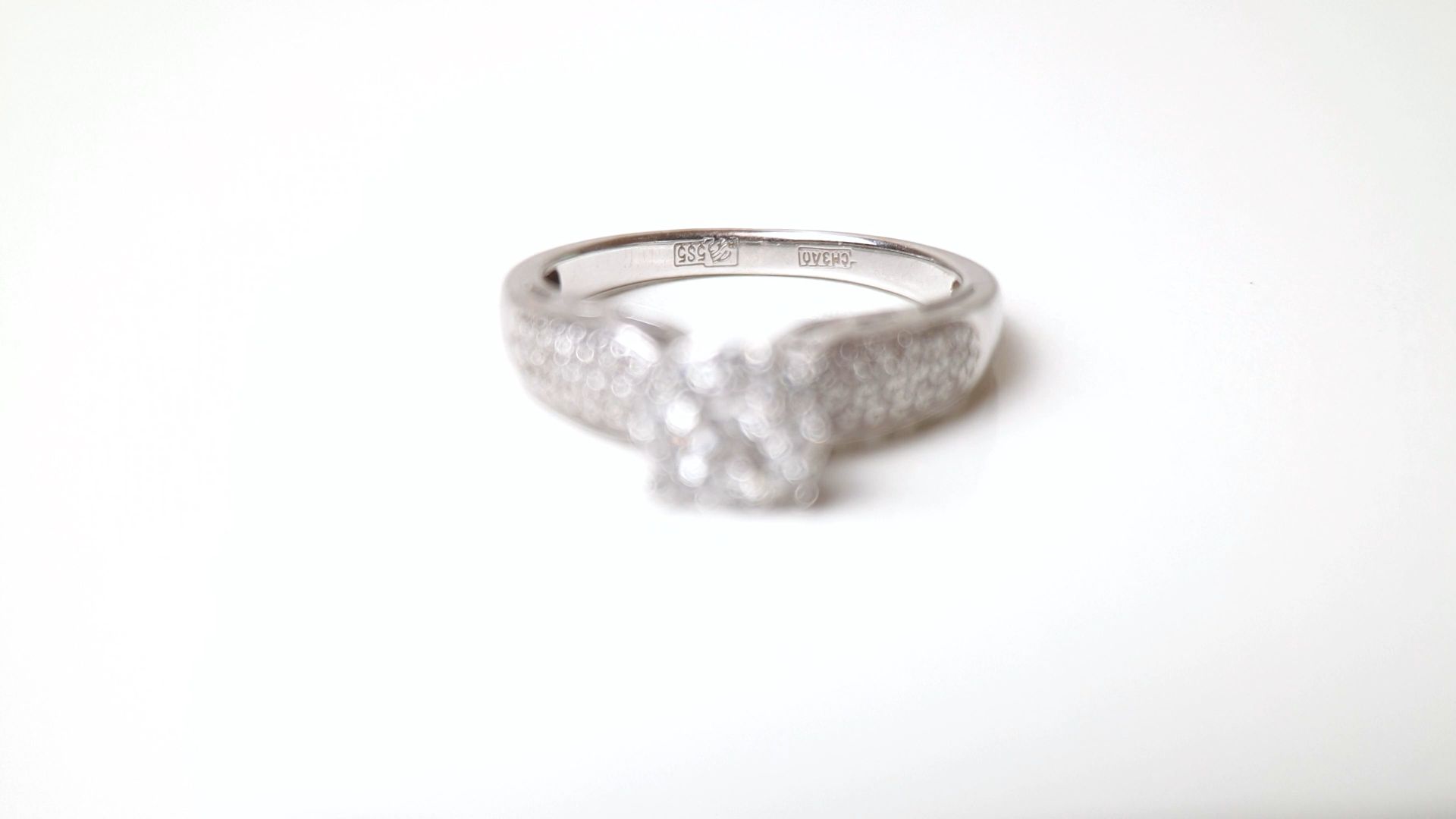
A ring stack is a small composition. It works when the rings relate to each other in width, shape and colour, and when it is comfortable enough to wear every day.
Build it step by step
- Start with an anchor: an engagement ring, a signet or a statement ring.
- Add fine bands on one or both sides to frame it.
- Introduce contrast: a textured band, a single stone, a different profile.
- Stop before it feels heavy. Leaving space is part of the design.
Metals and finishes
A stack in one metal looks calm and precise; mixed metals look relaxed and personal. If you mix, repeat each metal at least twice so the combination looks intentional.
Protect the rings
- Diamonds scratch every other gem and metal. Keep them from rubbing against softer stones.
- Metals of similar hardness wear more evenly against each other.
- Contoured bands sit flush against rings with a centre stone and reduce friction.
Comfort and size
Several rings together feel tighter than a single one, and wide stacks can press on the knuckle. Fine bands, around 1.5 to 2.5 mm, stack most comfortably.
Three stacks to start from
- The quiet stack: one fine plain band on each side of a solitaire, all in the same metal.
- The textured stack: a plain band, a twisted or beaded band and a band with small stones, in one metal.
- The mixed stack: a yellow gold signet on one finger and white gold bands on the next, repeated on the other hand.
Stacking with an engagement ring
Stacks built around an engagement ring usually keep the centre stone as the focal point. A contoured band can follow a low setting; straight bands suit higher settings. Keep the metals the same so the rings wear evenly against each other.
Across fingers
Stacks do not have to sit on one finger. Spreading rings across two or three fingers, with space between, can look lighter and more modern. The index and middle fingers suit bolder single rings; fine bands work anywhere.
Sizing
Several rings together occupy more of the finger and feel tighter. If you plan to wear a stack permanently, try the rings together before deciding on sizes, and consider going slightly larger for the rings at the base of the finger.
Sources: General jewellers' guidance.
Frequently asked questions
Do stacked rings damage each other?
They can rub over time. Keep hard stones such as diamonds away from softer gems and choose metals of similar hardness.
Should stacking rings be a different size?
Several rings worn together feel tighter than one, so some people size stacking rings slightly larger.
How many rings are too many?
When the stack becomes uncomfortable or the pieces stop being distinguishable. Three to five fine rings across a hand is a common balance.
Can I stack rings with different stones?
Yes. Keep hard stones such as diamonds from rubbing against softer gems.


